
In the bustling core of Manila lies a district where centuries-old temples stand beside gold shops, herbal stores, and hole-in-the-wall eateries serving recipes passed down through generations.
Welcome to Binondo—recognized as the oldest Chinatown in the world, established in 1594.
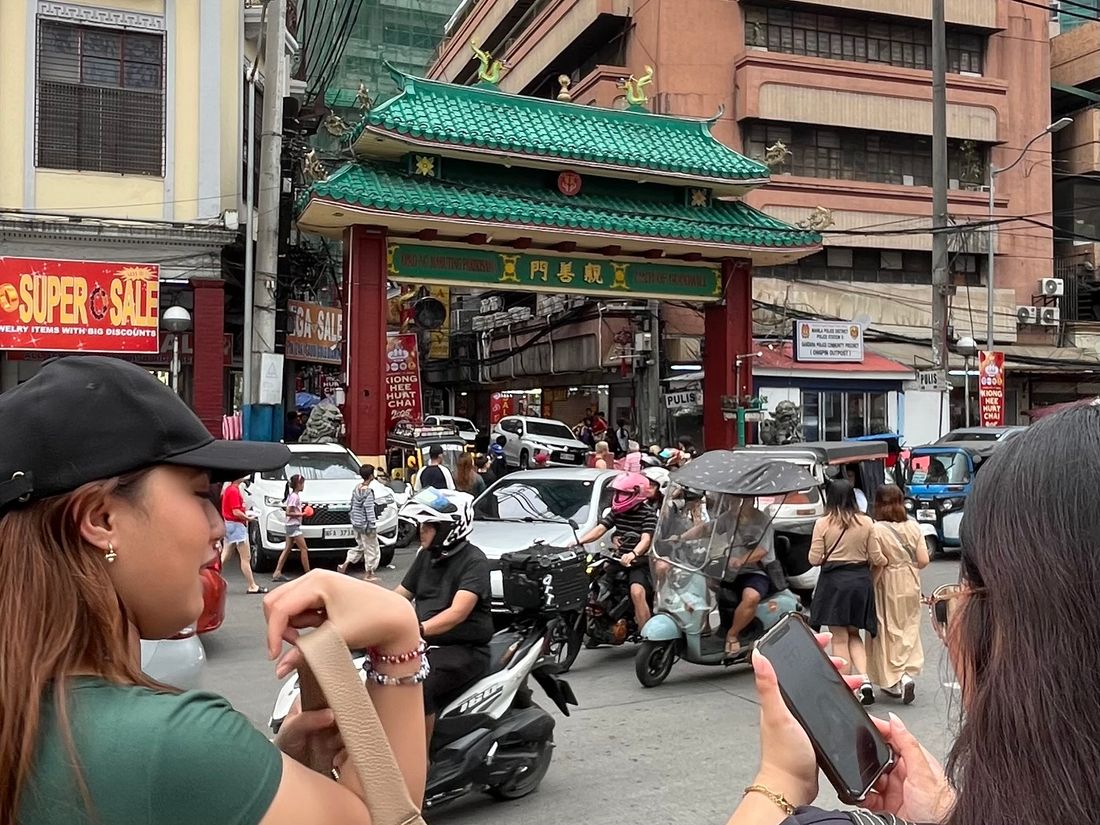
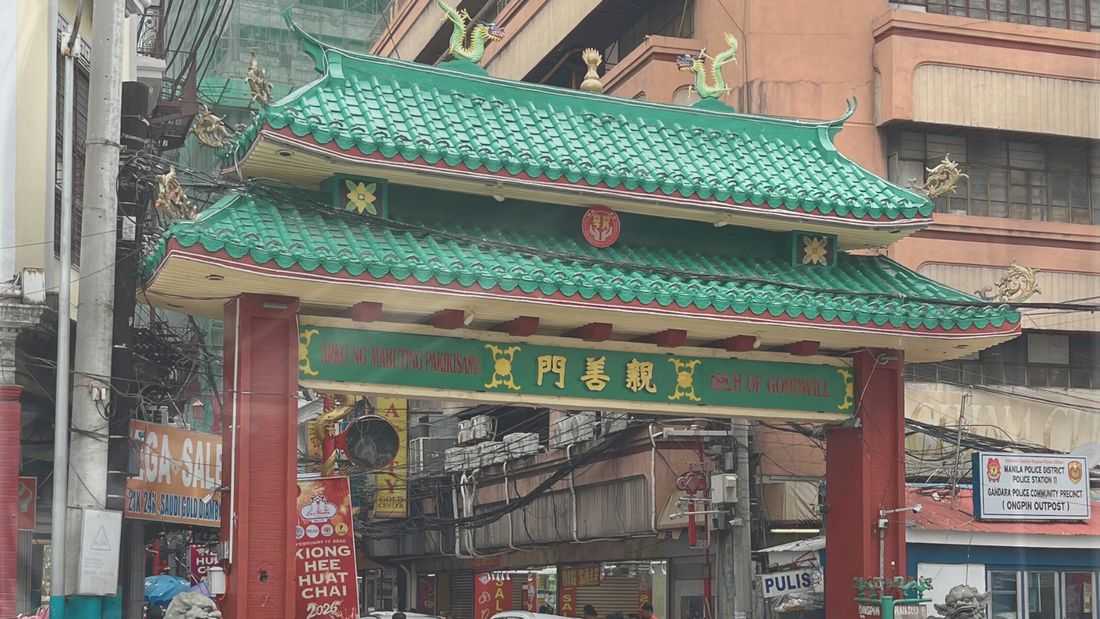
'Arch of Goodwill' photo by Thea Divina / DZRH Digital
1. It Was Officially Established in 1594
The key reason Binondo holds the title is its founding date. In 1594, during Spanish colonial rule, authorities formally established Binondo as a settlement for Chinese migrants who had converted to Catholicism.
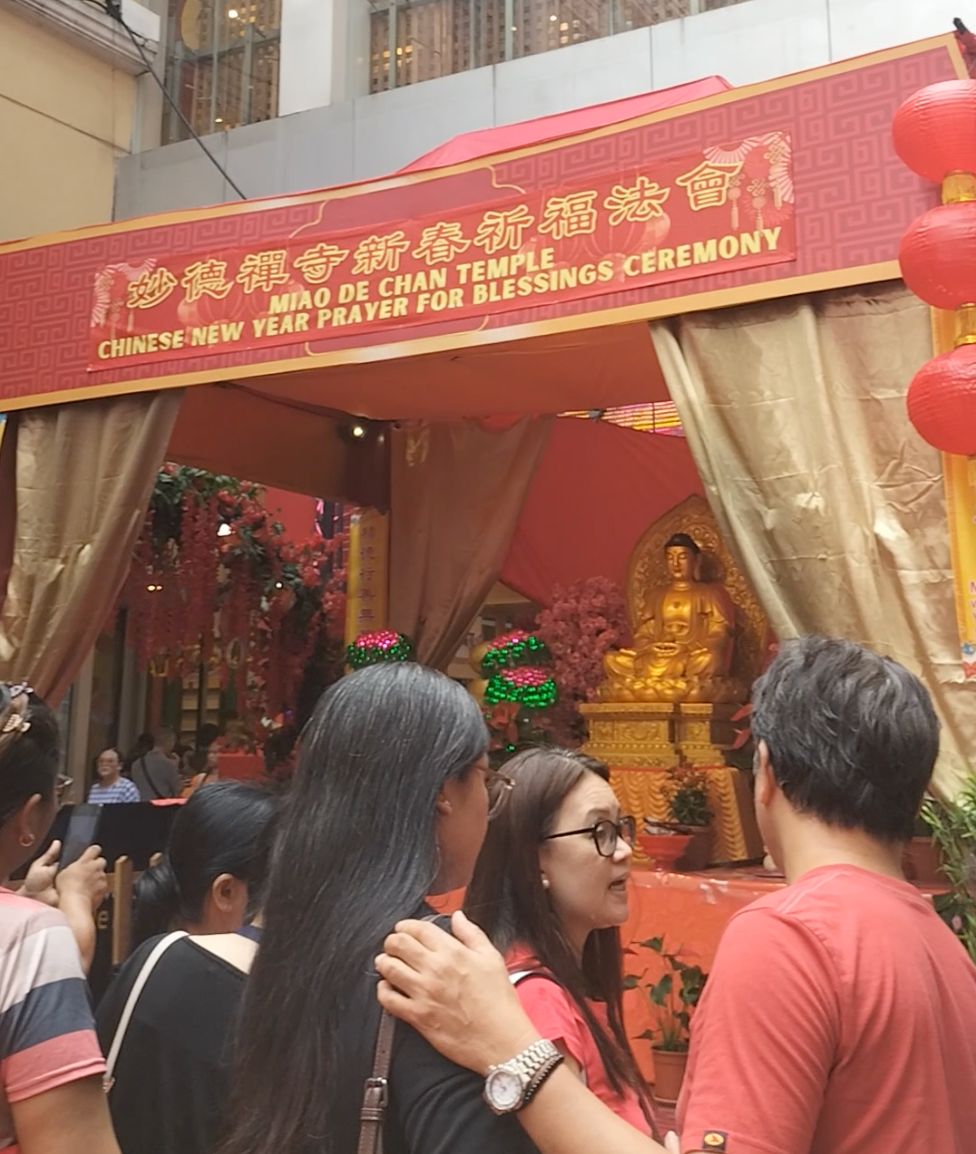
'Miao de Chan Temple' contributed photo by Regina Guinto
While Chinese traders had been present in the Philippines long before Spanish colonization, 1594 marks the official creation of a designated Chinese district. This documented establishment predates other famous Chinatowns around the world, including those in North America and Europe.
2. It Was Created for a Specific Chinese Community
During Spanish rule, Chinese merchants—known historically as “Sangleys”—played a major role in trade. To regulate and monitor the growing Chinese population, colonial authorities created a district across the Pasig River from Intramuros.
That district became Binondo.
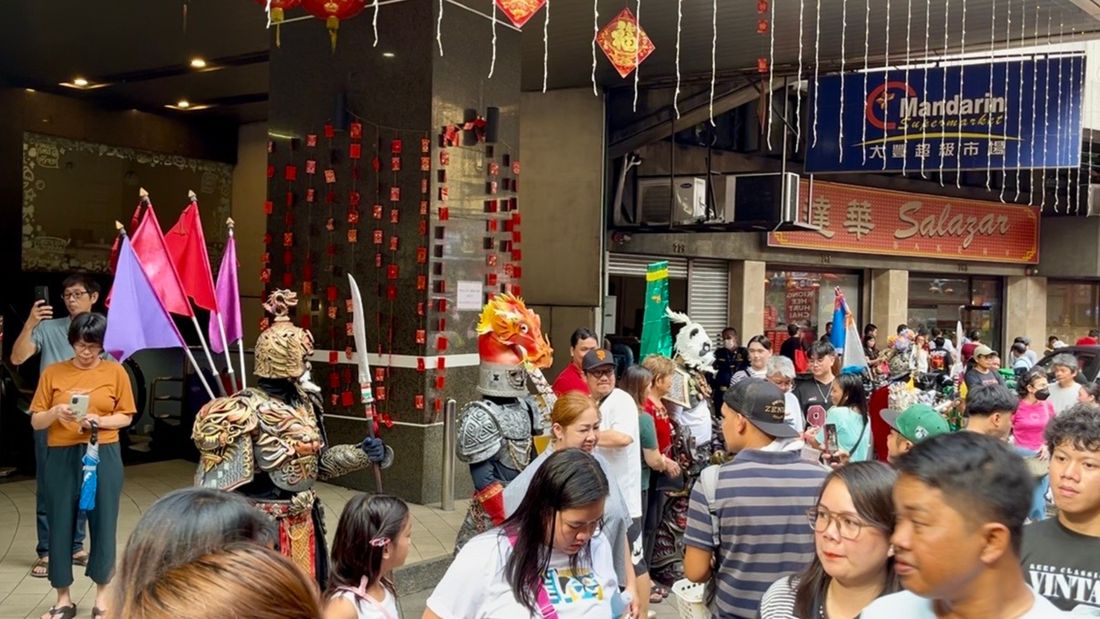
'Chinese New Year mascots along Binondo' photo by Thea Divina / DZRH Digital
Unlike temporary trading enclaves elsewhere, Binondo developed into a permanent residential and commercial community. It was not simply a marketplace—it became home to generations of Chinese and later Chinese-Filipino families.
3. It Has Been Continuously Inhabited for Over 400 Years
What strengthens Binondo’s claim is continuity.
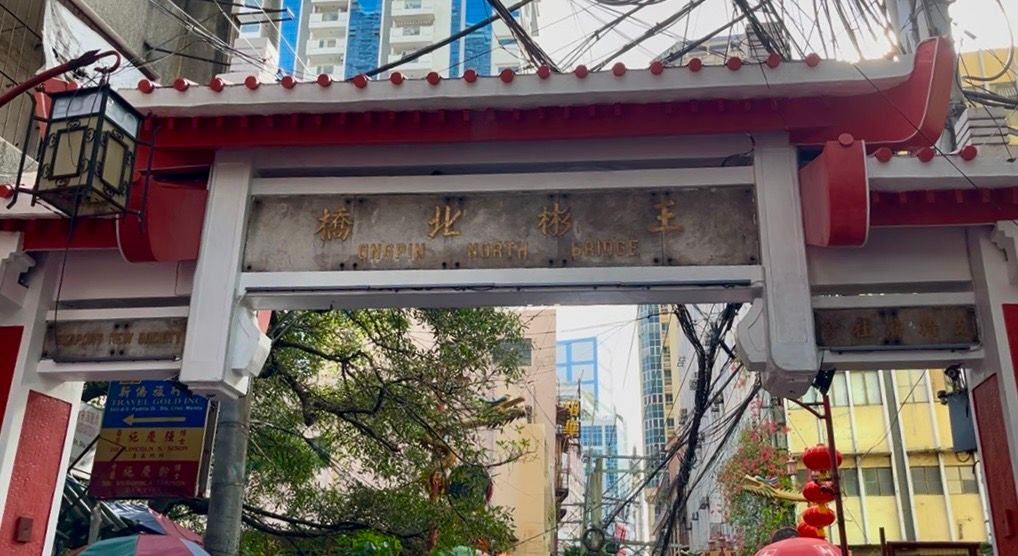
'Ongpin North Bridge' photo by Thea Divina / DZRH Digital
Despite fires, wars, colonial transitions, and modernization, Binondo has remained an active Chinese cultural and commercial center since the 16th century. The district continues to thrive today, making it not only the oldest established Chinatown, but also one of the longest continuously operating.
4. It Blended Cultures Early On
Binondo was unique because it became a space where Chinese and Filipino cultures merged. Many early settlers converted to Catholicism and intermarried with locals, giving rise to the Chinese-Filipino (Tsinoy) community.
The presence of Binondo Church—built in 1596 and dedicated to St. Lorenzo Ruiz, the first Filipino saint of Chinese descent—symbolizes this cultural blending.
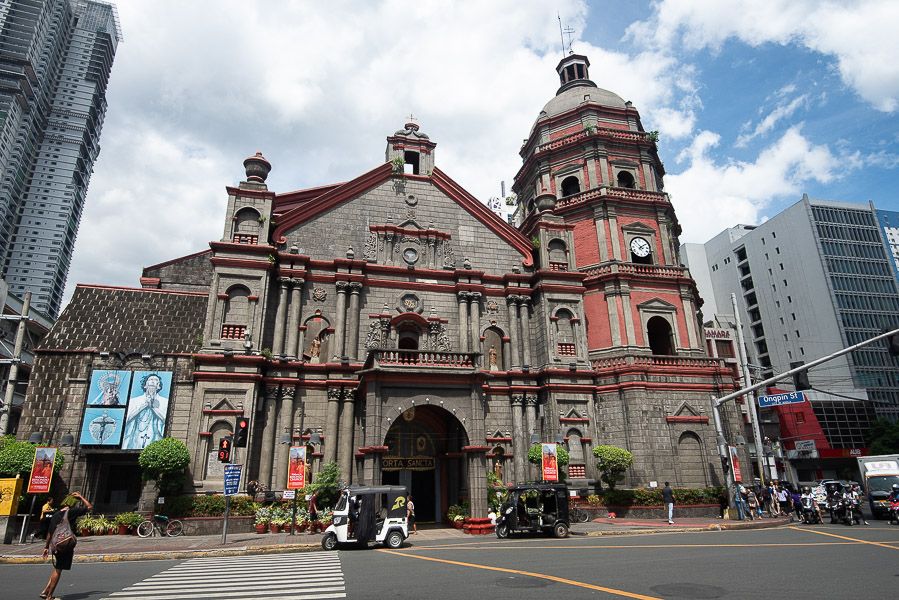
'Binondo Church' photo from Asian Historical Architecture / website
This integration set Binondo apart from other Chinatowns that remained more culturally isolated.
5. It Became a Commercial Powerhouse
From the Spanish galleon trade era to modern-day commerce, Binondo has long been a financial and business hub in Manila.
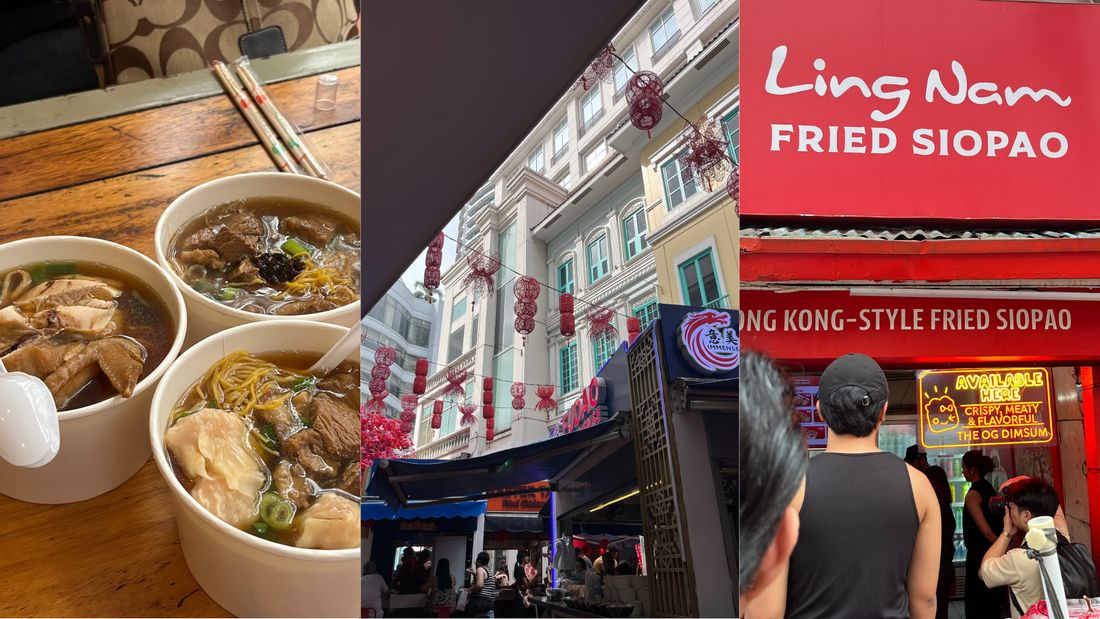
'Binondo Food Crawl' photo by Thea Divina / DZRH Digital
Jewelry shops, herbal stores, textile traders, and restaurants line its streets. Over time, many of the Philippines’ major business families trace their roots back to this district. Its economic vitality helped ensure its survival across centuries.
So, Is It Really the Oldest?
Yes—based on recorded history.
Binondo’s formal establishment in 1594 makes it the earliest known Chinatown created by colonial authorities that still exists today. Other well-known Chinatowns—such as those in San Francisco, London, or New York—were formed centuries later.
That historical documentation, combined with continuous cultural presence, is why Binondo is recognized globally as the world’s oldest Chinatown.
More Than a Title
Being the oldest Chinatown is not just about dates—it’s about legacy.
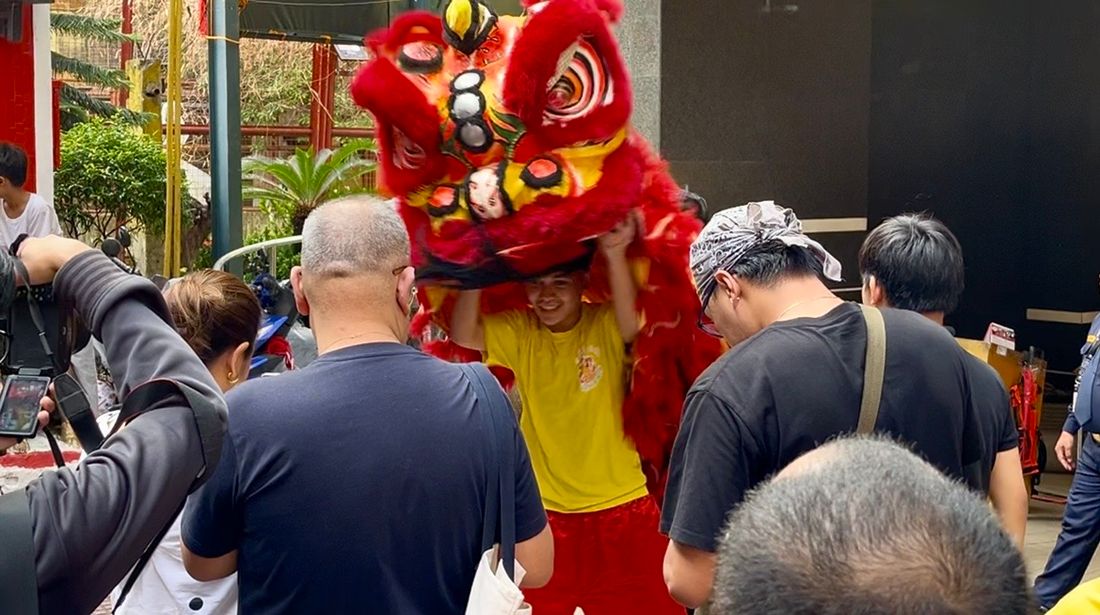
'Binondo Lion Dance' photo by Thea Divina / DZRH Digital
Binondo represents over 400 years of migration, adaptation, entrepreneurship, and cultural exchange. It stands as a living reminder that the story of the Philippines has always been shaped by diverse communities working side by side.
And in the narrow streets filled with incense smoke, red lanterns, and the aroma of freshly cooked noodles, that history is still very much alive.
