
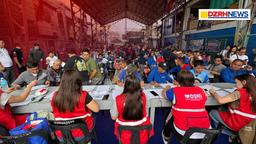
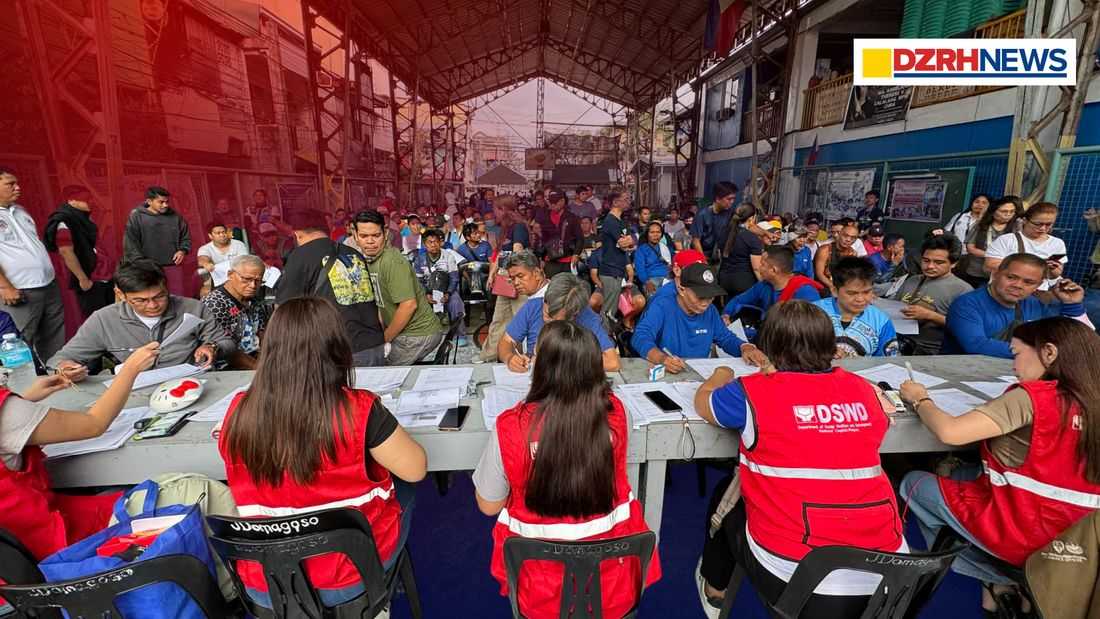
The distribution of ₱5,000 cash relief assistance for tricycle drivers began on Tuesday, March 17, in response to rising gasoline prices.
A total of 135,196 tricycle drivers received the aid through the coordinated efforts of the Department of Social Welfare and Development (DSWD), Department of Transportation (DOTr), and local government units (LGUs).
President Ferdinand Marcos Jr. personally led the rollout at the ASAC Covered Court in Barangay 627, Sta. Mesa, Manila.
Manila City Mayor Isko Moreno Domagoso expressed his gratitude to the President as the national government started distributing the financial assistance to tricycle drivers across Metro Manila.
“Napakalaking bagay nito para sa ating mga driver para maibsan ‘yong kinakaharap nilang suliranin dahil sa presyo ng gasolina. I’m very grateful on behalf of Metro Manila, particularly the transport sector,” Moreno told DZRH.
Concerns Over Beneficiary Lists
In Manila City, some drivers reported discrepancies in the beneficiary lists. Members of the Association of Public Service Tricycle Operators and Drivers (ASPTODA) said that only eight out of more than 400 members received the cash aid.
Jack De Acosta, sector commander of MTPB District 3, urged the tricycle drivers of ASPTODA to coordinate with their president to resolve the issue, as only the names submitted to the city government will be included.
“Kahit maghapon silang nakapila na hindi naman nakalista, walang mangyayari sa kanila. Hindi kasalanan ng DSWD, ng city of Manila. Ang may problema diyan yong presidente at grupo nila,” De Acosta said.
City authorities assured the public that distribution is ongoing. In Manila alone, more than 8,200 TODA members are expected to receive aid over the next two days.
President Marcos previously stated that about 139,000 tricycle drivers in Metro Manila are set to benefit from the program. DSWD Secretary Rex Gatchalian explained that tricycle drivers were prioritized as the validated list of beneficiaries was ready.
Gatchalian also assured that this would not be the first or last support provided to the sector, especially if fuel price hikes continue.
