
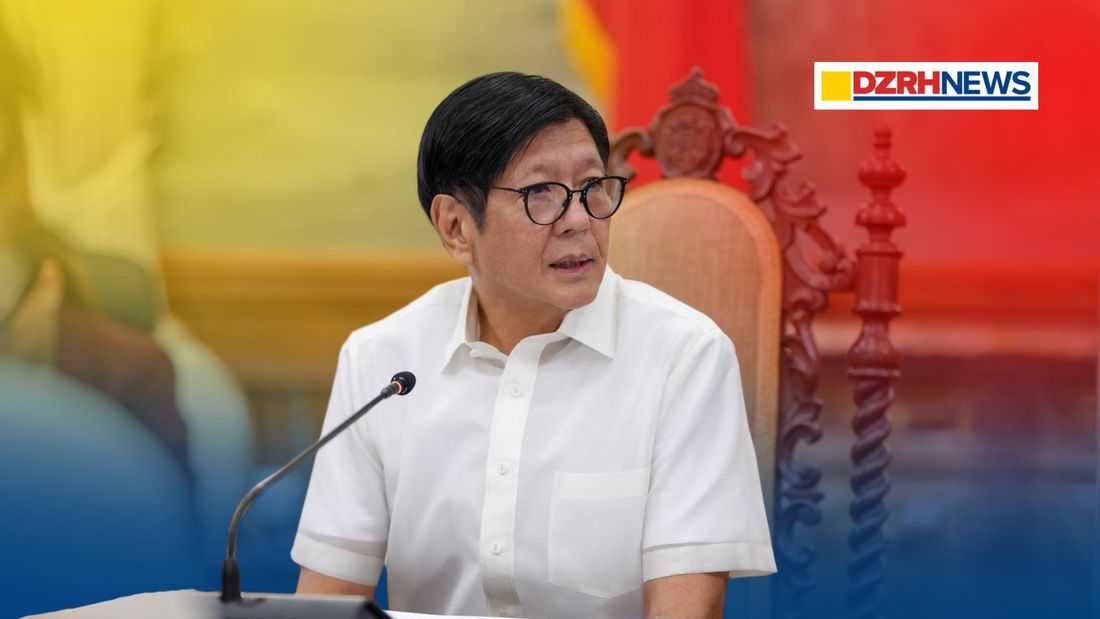
President Ferdinand "Bongbong" Marcos Jr. declared a state of national energy emergency through Executive Order No. 110 on March 24, citing escalating tensions in the Middle East that threaten the country’s energy supply and stability.
The order highlights growing geopolitical conflicts involving major oil-producing regions, which have disrupted global supply chains and driven volatility in international oil prices.
As a net importer of petroleum, the Philippines faces heightened risks of supply shortages and delayed fuel deliveries.
To address these challenges, the President ordered the implementation of the Unified Package for Livelihoods, Industry, Food, and Transport (UPLIFT), a whole-of-government response framework aimed at ensuring a stable domestic energy supply, uninterrupted essential services, and continued economic activity—especially for vulnerable sectors.
Under the directive, the government is authorized to enforce fuel allocation plans and energy conservation measures to safeguard supply. An inter-agency UPLIFT Committee, chaired by the President, will oversee the program’s rollout, with key members including the Secretaries of the Department of Energy (DOE), Department of Transportation (DOTr), Department of Social Welfare and Development (DSWD), Department of Agriculture (DA), Department of Finance (DOF), and Department of Budget and Management (DBM), among others.
The declaration comes amid concerns over possible disruptions in key global oil routes, including the Strait of Hormuz, reinforcing the urgency of proactive measures to secure the country’s energy needs.
