
President Ferdinand 'Bongbong' Marcos Jr. has ordered the creation of a “crisis committee” to addrress the country’s fuel, food supply and protect consumers from potential disruptions caused by the ongoing conflict in the Middle East, Malacañang said Monday, March 23.
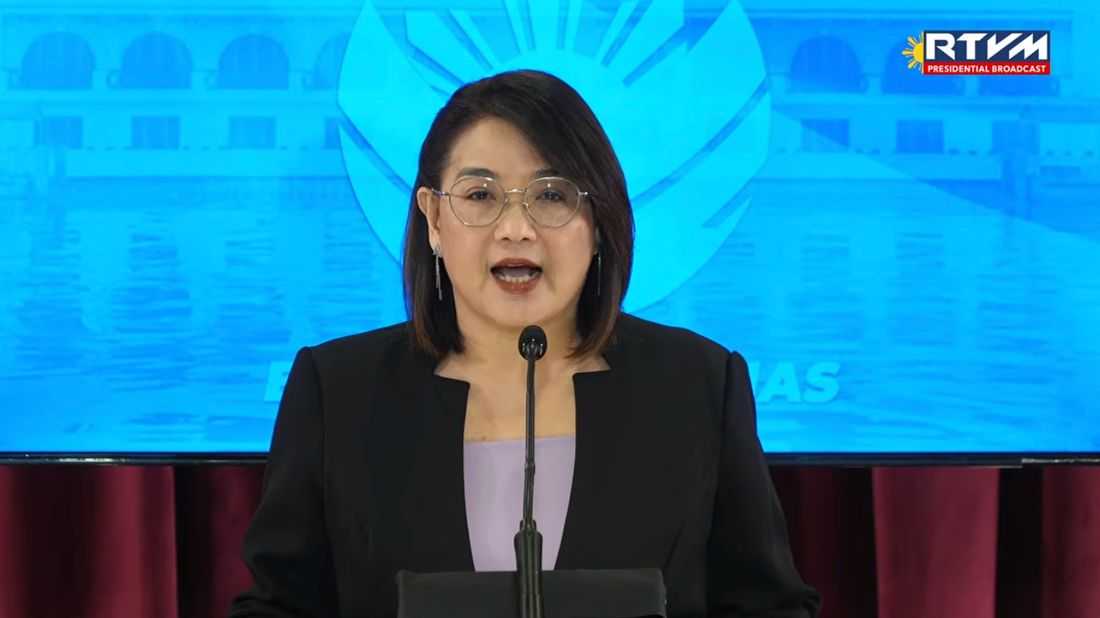
In a press conference, Palace Press Officer Undersecretary Claire Castro said the formation of the crisis committee is being “finalized“ to ensure the continuous availability of food and petroleum products in the country.
“Bago pa po may nag-suggest na gumawa ng crisis committee, nag-utos na po ang Pangulo na maggawa officially ng crisis committee,” Castro said.
“Hintayin na lamang po natin ang dokumento if finalized na po,” she added.
She added that the committee will focus on securing supply chains and ensuring the uninterrupted availability of fuel and other essential commodities.
“Ito po ay tututok lalo-lalo na kung ano bang pangangailangan ng ating mga kababayan, paano hindi mapuputol ang supply ng ating mga pangangailangan sa oil, sa fuel, at sa mga pangunahin pangangailangan ng ating mga kababayan,” she said.
No further details were provided by Castro.
Meanwhile, Castro clarified that the Philippines does not currently face an oil crisis, citing Department of Energy (DOE) Secretary Sharon Garin.
“Sa ngayon po, sa payo na rin ni Secretary [Sharon] Garin sa ating Pangulo, wala pa po tayong maaaring tawaging oil crisis sa bansa,” she said, noting that the country still has sufficient oil supplies despite recent price increases caused by the Middle East conflict.
The crisis committee will prioritize identifying the needs of Filipino consumers and preventing disruptions in the supply of petroleum and other critical goods, Castro said.
Castro explained that the President was referring to the situation in the Middle East, not the Philippines, when in an ambush interview on March 19, in Bataan, Marcos Jr. referred to an “oil crisis.”
“Ang nais pong sabihin ng Pangulo patungkol sa oil crisis ay pinapatungkulan niya po roon ay ang oil crisis sa Middle East,” she said.
Castro said Garin has indicated that negotiations are ongoing for the import of 440,000 barrels of fuel, with a potential additional 600,000 barrels in the pipeline. She emphasized that the government is actively working to prevent shortages in the local supply of crude oil, fuel, and other essential commodities.
Malacañang added that the government is not downplaying the oil situation in the country, but maintained it does not yet qualify as an oil crisis.
“Wala naman tayong dina-downplay. Ito po kasi 'yung totoong sitwasyon...Kumpleto po ang supplies natin sa krudo, sa oil, sa fuel, pati po sa pagkain,” Castro said.
“So siguro po kung ikukumpara sa ibang bansa, mas napagbibigyan po ng atensyon ng Pangulo na dapat na ang mga kababayan natin kahit presyo po ay tumataas dahil nga po ito ay dulot ng sigalot sa Middle East, gusto niyang iparamdam ng Pangulo na kaya ng gobyerno, nariyan ang gobyerno para sa taumbayan at hindi po pababayaan ng Pangulo at ng gobyerno ang mga nararanasan natin,“ she emphasized.
