
The recent decline of the Philippine peso against the US dollar could have a domino effect on consumer prices and public confidence in the country’s economy, economist Professor Emmanuel Leyco warned in an exclusive interview with DZRH’s Damdaming Bayan.
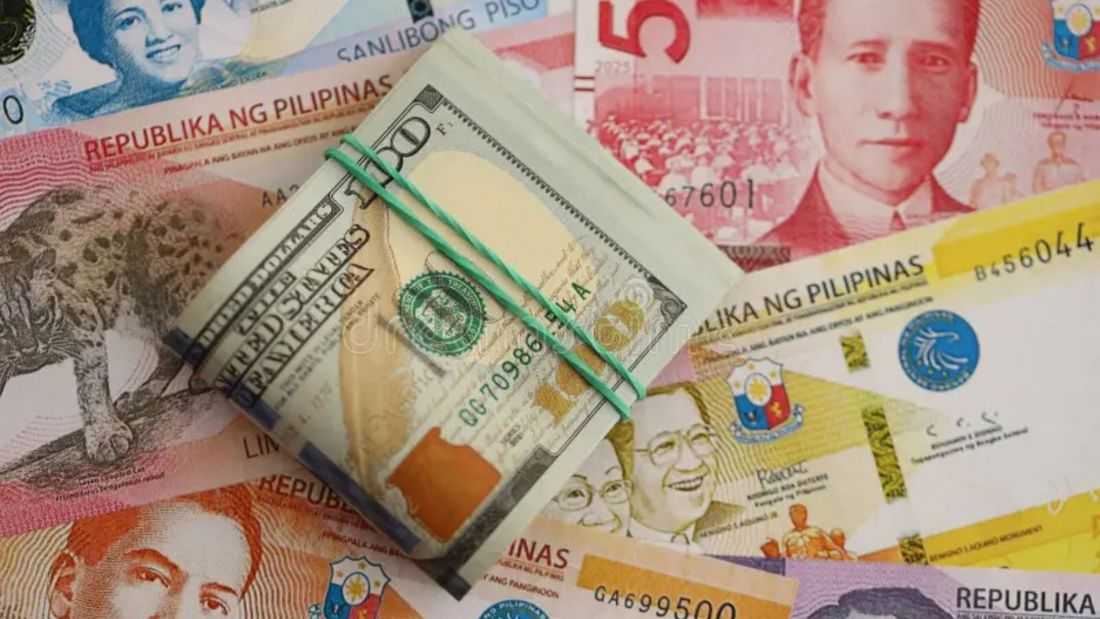
On Tuesday, the peso fell to ₱59.20 against the US dollar — its lowest level in history — amid concerns over the country’s economic growth and the government’s ongoing crackdown on infrastructure spending anomalies.
According to the Bankers Association of the Philippines, the peso’s weighted average was ₱59.098, while the ₱59.20 intra-day rate marked a new record low for the local currency.
Leyco, who formerly served as president of Pamantasan ng Lungsod ng Maynila (PLM), said the peso’s weakening is already raising concerns about inflation, particularly given the nation’s dependence on imported goods and fuel.
“Harinawa po na pansamantala lamang ang nakikita natin ngayon na pagbagsak ng piso at paghina,” Leyco said.
“Matatamaan po tayo niyan kasi nag-i-import tayo, lalong-lalo na po kung ito ay magkaroon na ng epekto doon sa presyo ng gasolina na inaangkat natin gamit ay dolyar. Kaya kung mas mababa ang piso kontra dolyar, aasahan din natin na tataas ang presyo ng mga pangunahing bilihin kasama na po ang gasolina,” he added, explaining that the peso’s decline could directly impact fuel and commodity prices.
Remittances may help—but not enough
Asked whether the influx of dollar remittances during the holiday season could strengthen the peso, Leyco agreed it might offer some relief but cautioned that it would not be enough to offset inflationary pressures.
“Makakatulong po yan. Kaya nga po sabi nung nag-aaralan natin sa eskwela, law of supply and demand. Kung mas maraming mga dolyar, makakatulong yan sa ating piso,” he explained.
“Ngayon, makakatulong yan kung hindi magkakaroon ng epekto ang pagbaba ng piso kontra-dolyar sa inflation. Pero komo nag-i-import tayo ng halos lahat ng mga binibili natin sa mga pamilihan, magkakaroon pong epekto yan sa inflation.”
Leyco also commented on President Ferdinand Marcos Jr.’s earlier call for a possible price freeze during the Christmas season. While supportive of the intent to protect consumers, he said such measures are “extremely difficult to enforce.”
“Napakarami pong mga pamilihang bayan ang kailangan puntahan at sabihan na huwag kayong magtaas ng presyo. Napakahirap pong isakatuparan ang utos ng Pangulo kung ang merkado mismo ang nagsasabi na kailangan makabawi yung mga nagbebenta dahil mas mataas na ang presyo ng kanilang mga bilihin,” the economist said.
Restoring public trust through transparency
The economist emphasized that restoring public confidence is crucial not just for consumer morale but also for investors and taxpayers. Referring to ongoing corruption investigations in government infrastructure projects, Leyco said transparency and swift action are essential.
“Mahalagang makabalik na at mag-umpisa ulit ang kanilang imbestigasyon at maipakita sa mga mamamayan kung ano ang ginagawa ng pamahalaan para maprotektahan ang pondo ng bayan.”
He warned that continued reports of “ghost projects” and unaddressed corruption allegations could further dampen investor sentiment and public trust.
Leyco added that holding powerful figures accountable would send a strong message to both the public and international partners that the government is serious about reform.
Leyco echoed public calls for a review of the value-added tax (VAT) system, arguing that suspending or reducing it could provide immediate relief to consumers amid rising prices.
“Ang panawagan po ng iba ay yung value-added tax, suspindihin na muna hanggat ganyan ang nangyayari sa ating ekonomiya,” he said.
“Pagka nakita po natin na pataas ang presyo ng mga bilihin, huwag na po tayo magbigay ng ayuda. Ang gawin naman po natin ay pabilisin ang serbisyo at bawasan na po yung value-added tax,” the economist added.
As the peso remains volatile and inflation risks persist, Leyco’s message is clear: economic recovery depends as much on accountability and trust as on policy and currency stability.
