
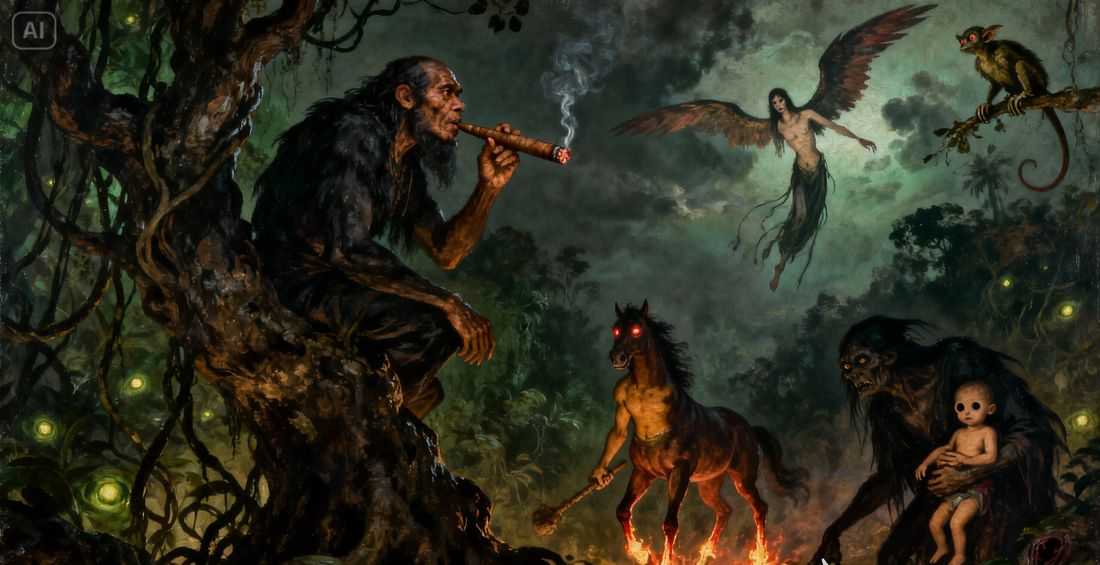
Throughout childhood, people have been fascinated by stories of mystery and the supernatural that differ from one culture to another. Every country has its own legends. England has the boggart, Japan has the kappa, Canada has the Sasquatch, Korea has the gumiho, and America has the Mothman, among many others.
During Halloween, these folklore beings resurface in conversations, as individuals share tales that are either intriguing or frightening, keeping the spirit of these legends alive across generations.
In the Philippines, countless mythical creatures are said to wander across the islands and provinces, or perhaps in the city, their legends woven deep into the nation’s folklore, and the origins reveal a lot about the pre-colonial and colonial cultures and beliefs.
Some dwell deep in the wild, while others, you might have already met without even knowing.
Tikbalang
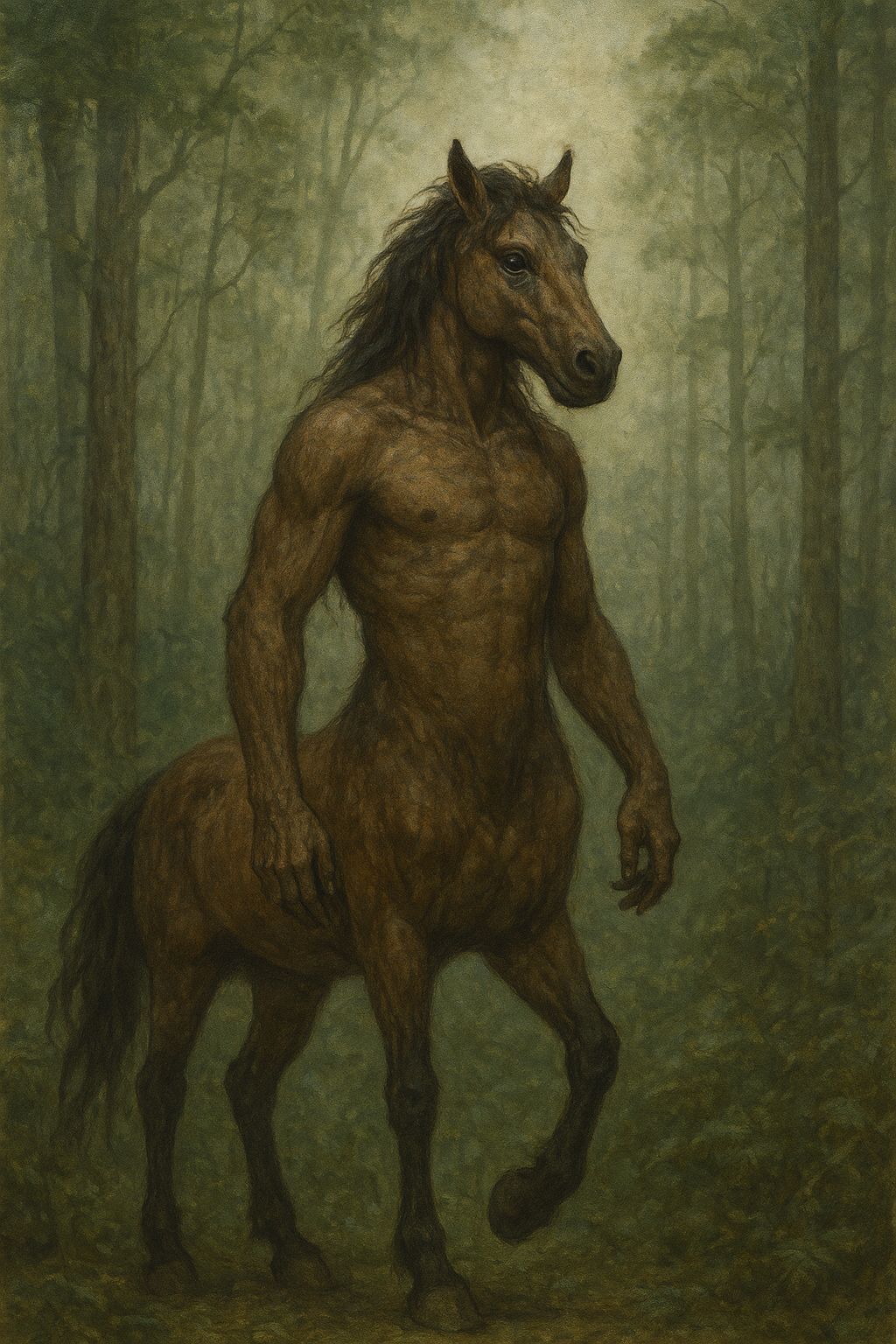
The Tikbalang, originally spelled Tigbalang or Tigbalaang, is a tall, half-human, half-horse creature said to roam the mountains and forests of the Philippines.
According to Juan de Plasencia’s Customs of the Tagalogs (1589), the Tikbalang was more than just a horse-like demon; it was believed to be a spirit capable of shapeshifting and tricking travelers who dared to enter its domain. Often described as a phantom of the mountains, the Tikbalang stands as one of the most enduring and enigmatic figures in Filipino folklore.
Tiktik
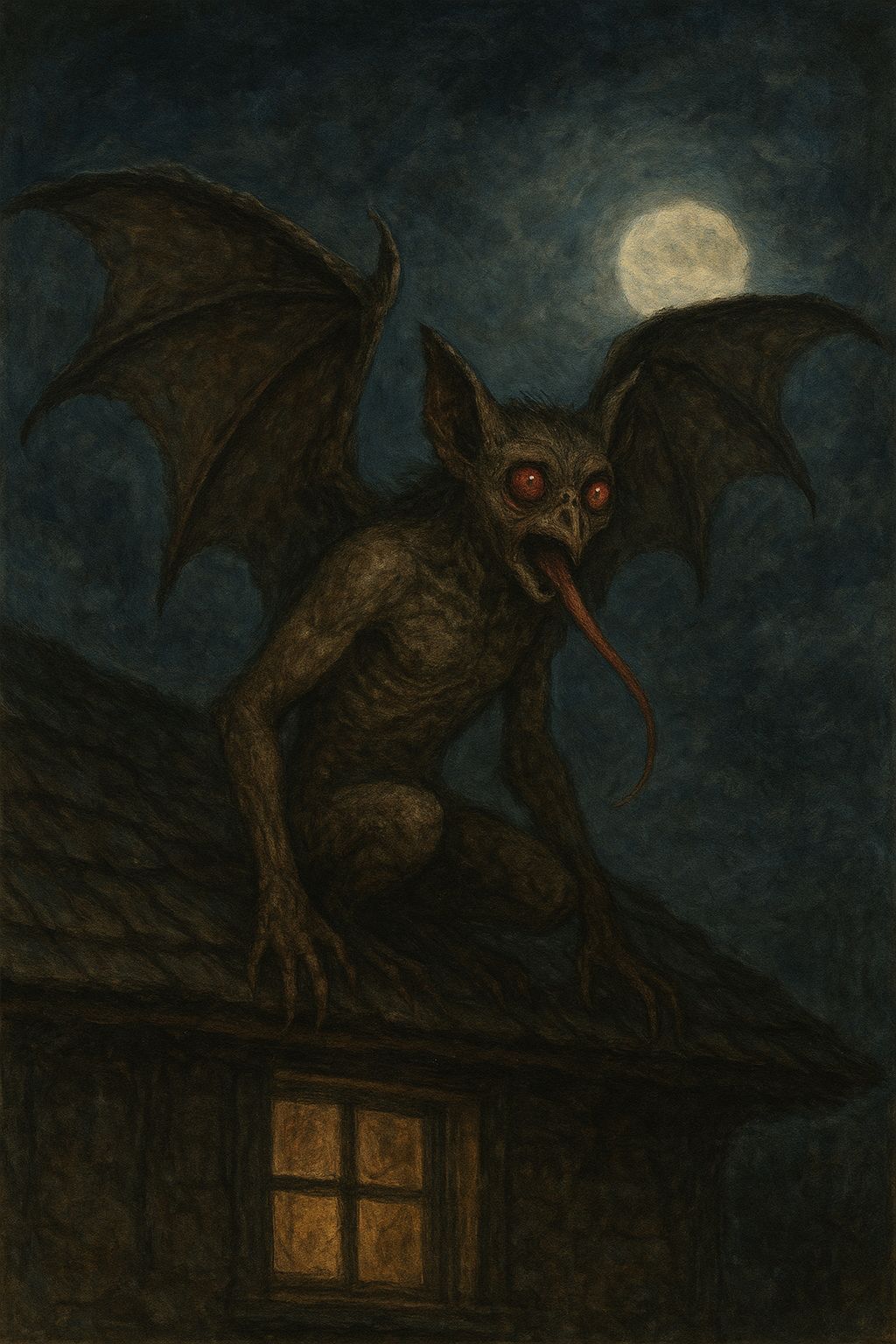
The Tiktik, named after the eerie “ticking” sound it makes, is a winged creature said to prowl the night, often lurking on rooftops in search of its prey.
According to legend, it targets pregnant women, using its long, slender tongue to steal and devour unborn children while the mother is asleep.
Closely associated with the aswang and bampira (vampire), the Tiktik is feared for its cannibalistic and bloodsucking nature.
Engkanto
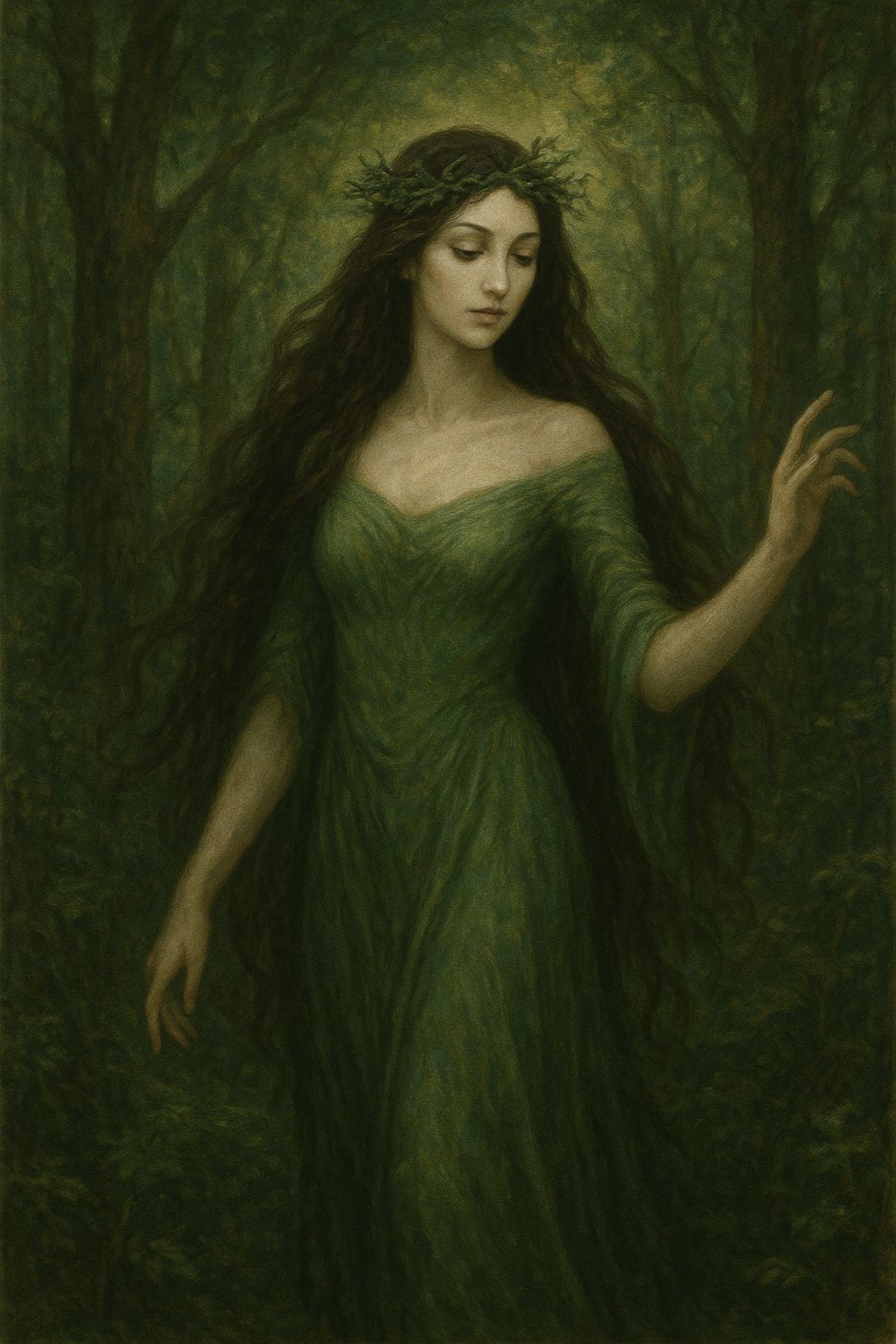
The Engkanto is a human-like spirit often associated with nature. They are commonly believed to have the power to inflict misfortune or illness on humans, such as causing fevers, skin diseases, madness, or even making people disappear for days or months.
These beings are also considered skilled deceivers, capable of charming humans with their irresistible beauty and enchanting presence. Similar to the term derived from the Spanish word ‘encanto,' which means ‘bewitched.'
Engkantos are also an integral part of pre-colonial Filipino beliefs, where they were regarded as nature spirits or deities tasked with guarding the mountains, forests, or rivers.
Manananggal
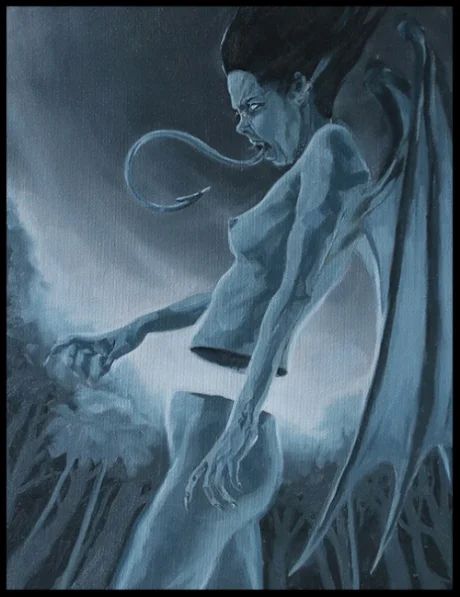
Photo Courtesy: Jefferson Muncy
The Manananggal are bat-like creatures that can separate their upper torso from their lower half and grow wings to fly in search of victims at night. Its name comes from the word “tanggal,” as they can separate their upper body from their lower body.
According to legend, a Manananggal prepares for its transformation by rubbing oil onto its skin during the full moon, allowing its body to split apart and take flight in search of prey.
Tiyanak
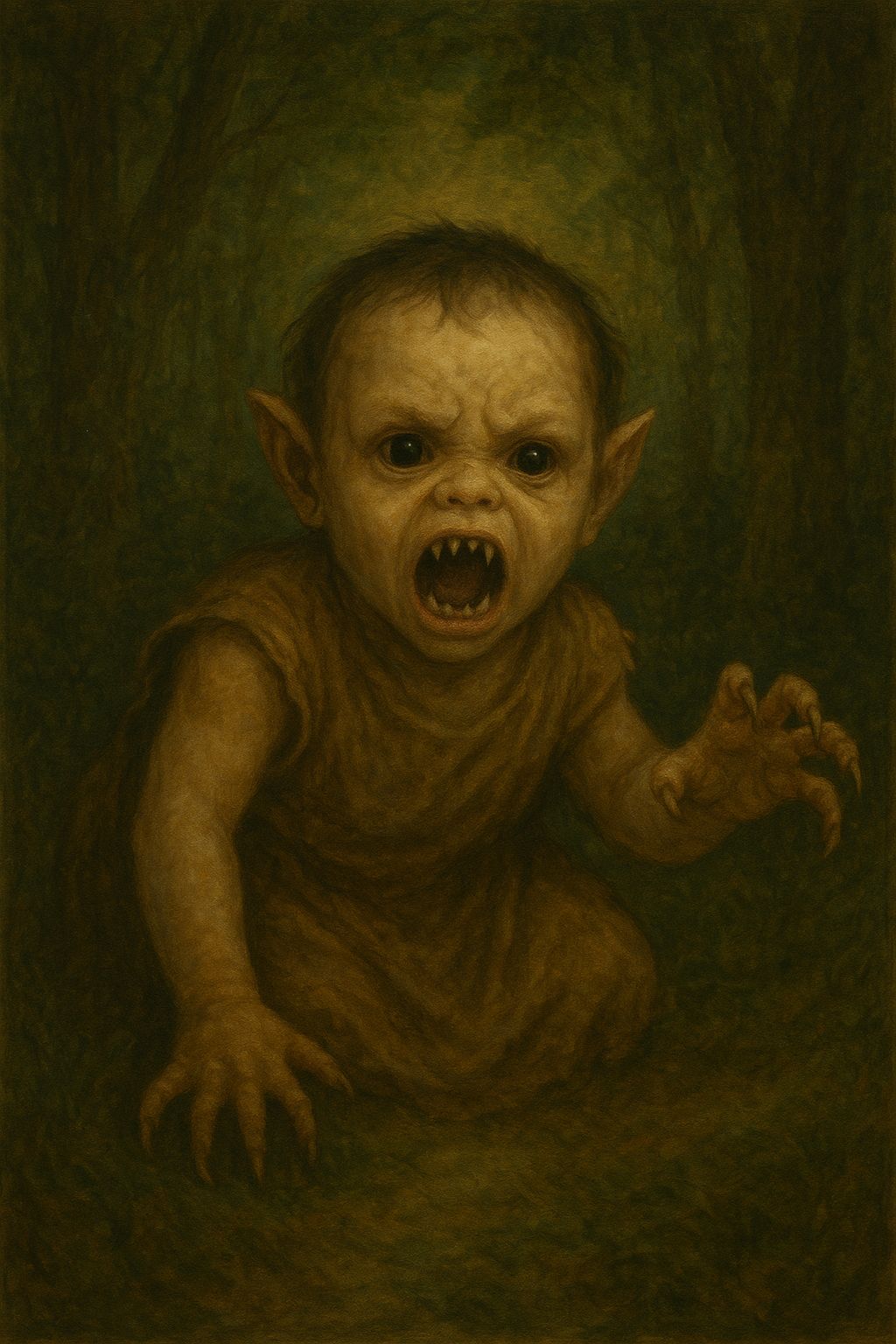
The Tiyanak often disguises itself as a helpless, crying infant to lure unsuspecting victims. The moment someone picks it up, it reveals its true form—which has sharp teeth and claws—and attacks the victim.
Its origins are tied to Catholic beliefs, particularly concerning babies who die before baptism or aborted fetuses, reflecting the spiritual and religious ideas surrounding unbaptized souls and the sanctity of human life.
Kapre
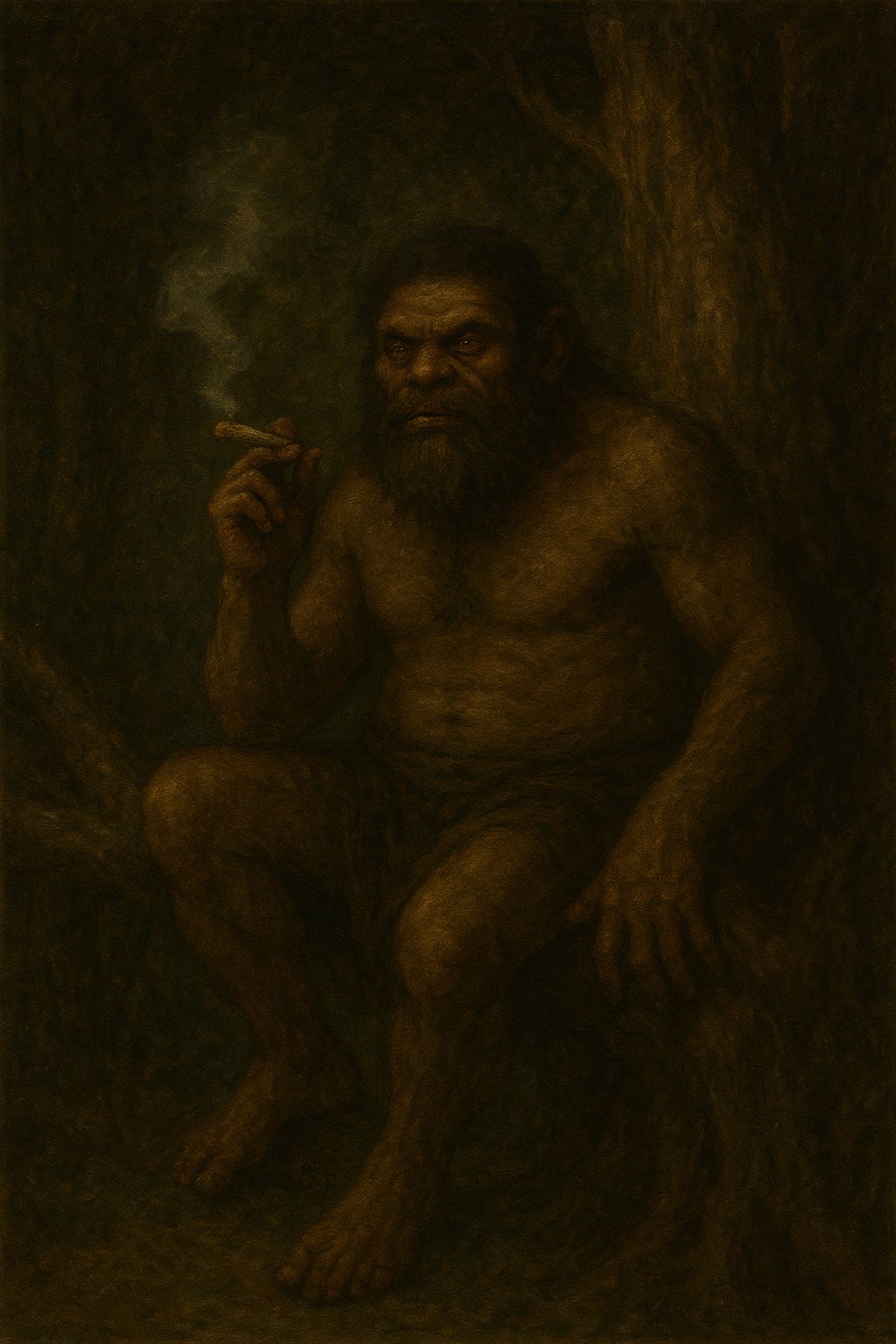
Kapres are large, giant-like beings that are said to live in old trees, such as balete or acacia trees. They are often believed to enjoy smoking tobacco and are usually seen at night.
Its name may have been influenced by the term “kaffir”, which means “non-believer” in Islam, and the Spanish word “cafre," which was used for enslaved people of African descent brought to the Philippines during the Spanish colonial period.
Some historians suggest that locals began associating the term kapre with large, dark-skinned foreigners, which eventually merged with pre-colonial beliefs about forest spirits. However, the term primarily reflects Spanish racial remarks to black African.
Nuno sa punso
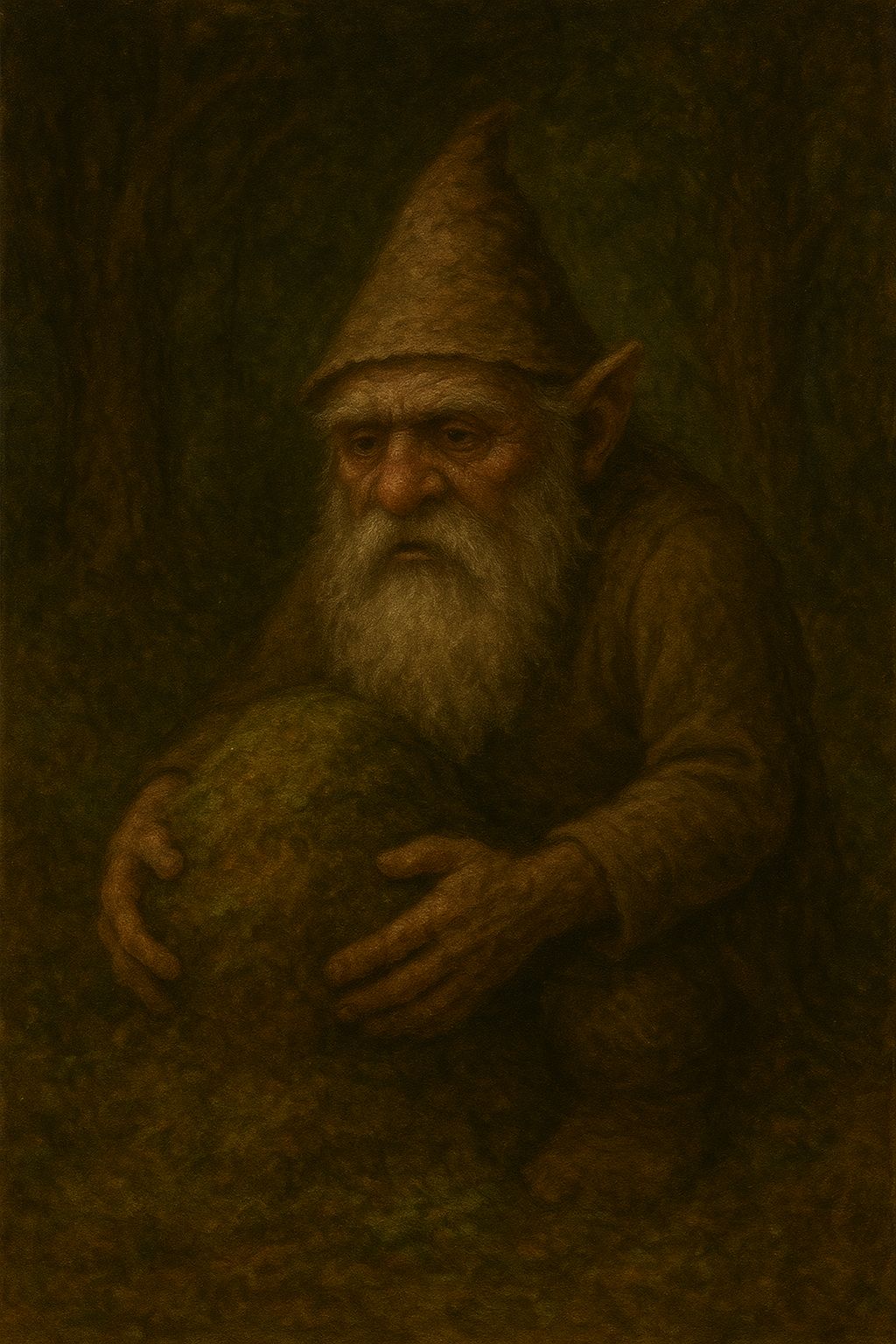
The "nuno" are often described as small, elderly beings resembling dwarves. They are believed to inhabit tiny earthen mounds or anthills called “punso," which are usually in the woods or even backyards.
According to folklore, these creatures are highly protective of their homes. Anyone who disturbs or steps on a punso without proper respect may be cursed, have bad luck, or mysteriously become ill. To avoid offending them, it is customary to politely ask for permission before approaching their house.
Beyond superstition, the belief in nuno sa punso also reflects a deep cultural respect for nature and the land, serving as a reminder to tread carefully and honor the unseen spirits said to dwell in the environment around us.
Aswang
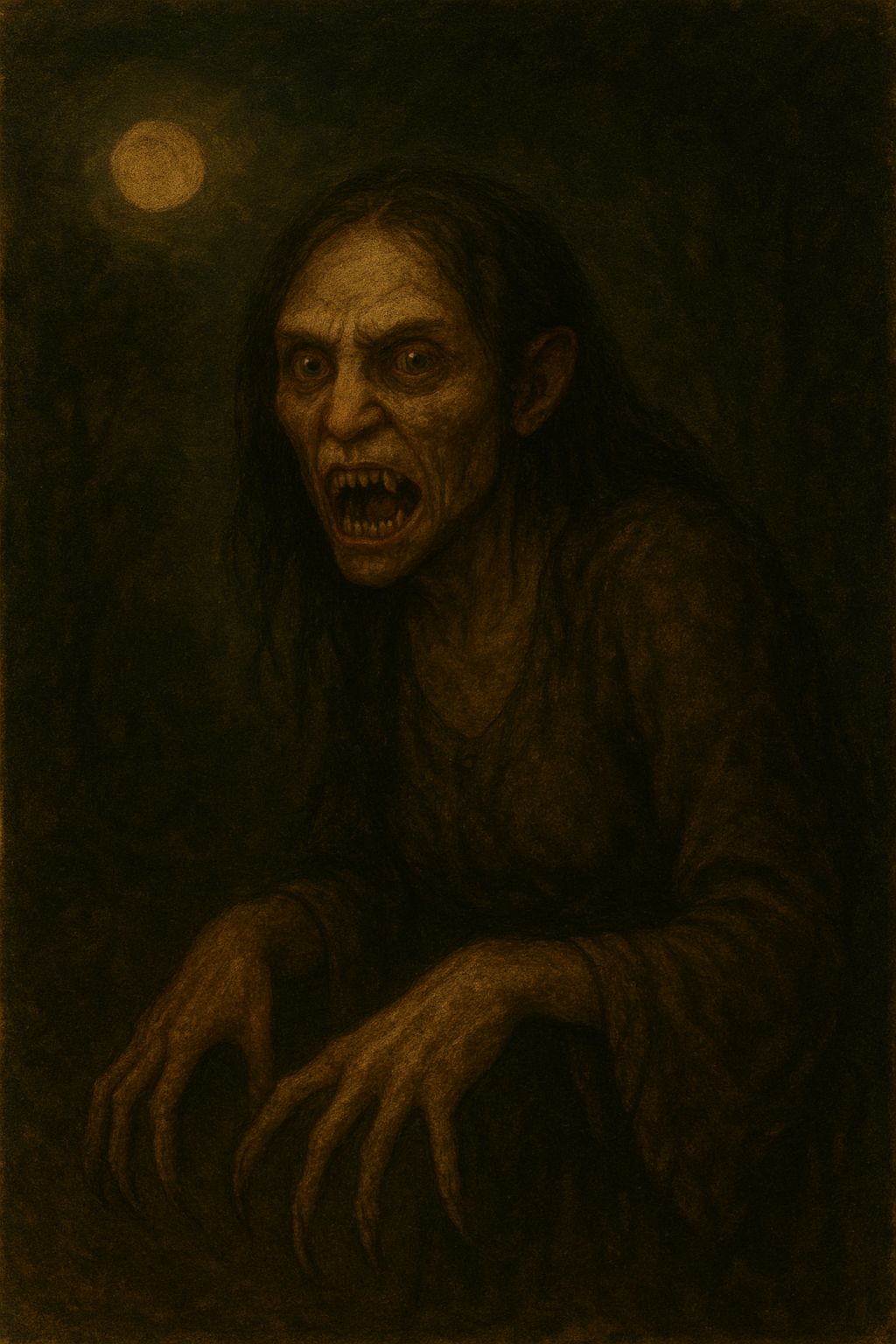
The aswang is one of the most famous legendary creatures in the Philippines, known for its eerie combination of traits such as vampiric tendencies, animalistic features, and witch-like powers.
It can shapeshift, often appearing as a dog, but also taking on a human form, sometimes even blending in among people. By night, the aswang hunts for victims, preying on humans and feeding on their internal organs.
This is also mentioned in The Customs of the Tagalogs, where the author refers to it as “Osuang,” which he defines as equivalent to a ‘sorcerer’ or demon-like figure.
